Title: Nigeria’s Big Money Move: What The $2.8 Billion Borrowing + Debut Global Sukuk Mean For You
Today, Nigeria took a bold turn in its economic story — it isn’t just about what government officials say or what foreign investors think. It’s about whether this path brings relief (or more pressure) to daily life. Here’s what’s happening, why people are talking, and what you might expect.
What’s the Deal
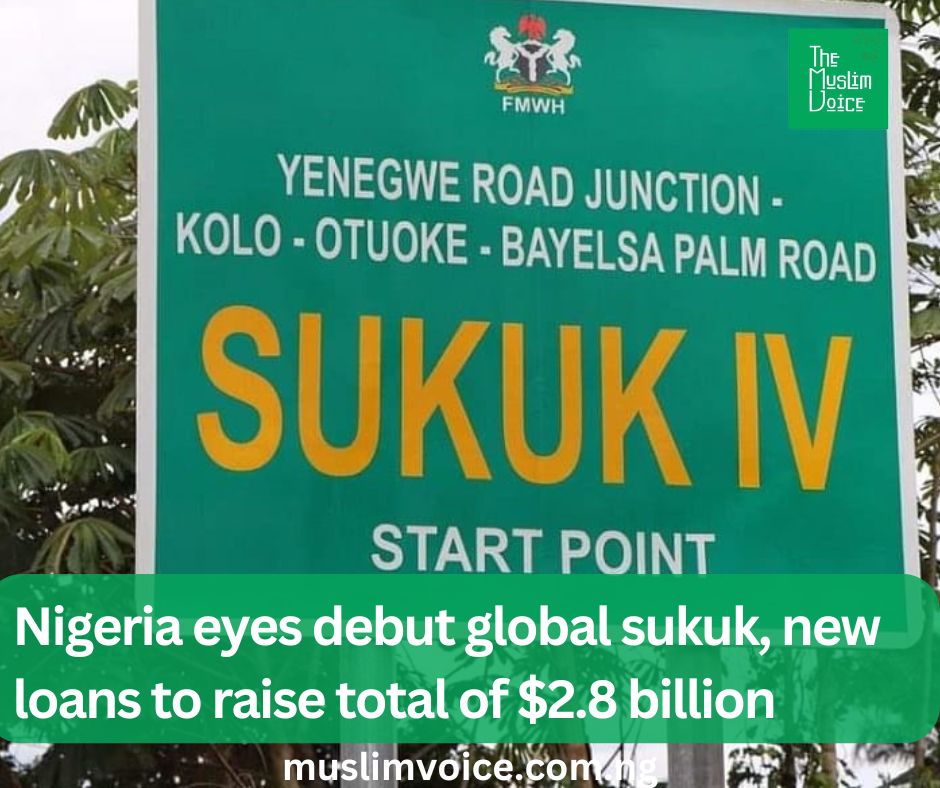
The Nigerian government wants to raise $2.8 billion in new loans. Part of that includes issuing Nigeria’s first sovereign sukuk on the global market, aiming for $500 million.
These funds are meant to help cover budget deficits, refinance Eurobonds that are maturing soon, and generally smooth over finance-gaps in the national budget.
Also, multilateral agencies are stepping up: The African Development Bank (AfDB) plans to loan $500 million in 2025 as part of a budget support program.
Why It’s A Big Deal
Cheaper money (maybe): Sukuks (Islamic bonds) and other newer financial instruments can sometimes offer better terms, lower interest burden, or access to a different set of investors compared to traditional bonds. If managed well, it could reduce how much we pay in servicing debt.
Signal to global markets: By entering global debt markets with prudes (i.e. well-structured sukuks/loans) and showing commitment to reforms (taxes, subsidy removals, etc.), Nigeria is trying to build trust. Investors watch that.
Risk exposure: Borrowing always carries risk. Currency fluctuations, external shocks (oil price, global interest rates), and domestic instability (insecurity, policy reversals) can make repayment harder. So while it’s an opportunity, there’s downside.
What It Could Mean For You
Taxes & subsidies: To support these loans, the government may need to tighten its budget. That often means increased taxes, more efficient revenue collection, or cutting back on subsidies. So things like fuel, power, or social support may feel changes.
Cost of living: If the borrowing succeeds and reforms are stable, inflation might ease a bit. But if the money doesn’t translate into service improvements (power, roads, security), people might still feel squeezed.
Interest rates: Nigeria’s credit rating and inflation affect interest rates on loans. If investors believe in the reforms, Nigeria might pay less in interest, which would help. If confidence slips, the reverse happens — borrowing becomes more expensive, pushing up costs across the board.
Jobs & investment: Money from these loans could fund infrastructure, local industry, value-addition (e.g. processing raw materials rather than exporting). That might mean jobs, more business opportunities, especially outside the usual hubs.
What To Watch Out For
Reform follow-through: It’s one thing to promise removing fuel subsidies, unifying exchange rates, etc., another to do it in ways that don’t crash small businesses or hurt poor people.
Transparency & Debt Tracking: Where’s the money going? Projects, overhead, servicing existing debts? Nigerians have seen loans before that don’t seem to show up in improved power or roads.
External risks: Global interest rate hikes, currency devaluation, oil price drops — any of these can throw plans off or make repayment steeper.
Social impact: If cuts are harsh, if subsidies are removed without safety nets, or if policies feel top-down, there could be protests/unrest.
The Bigger Picture
This move isn’t isolated. It sits within Tinubu’s broader reforms — removing fuel subsidies, tweaking tax regimes, trying to attract foreign direct investment, unifying foreign exchange rates. If it works, this could mark a turning point: moving from reactive survival to more strategic growth. But if it fails, it might just mean more debt, more dependency.
It also shows how Nigeria sees itself: not just as a country needing bailouts, but as one attempting to play (and borrow) on the world stage. That comes with prestige, but also scrutiny.
Bottom Line
Nigeria borrowing big and issuing a global sukuk is a headline-maker. But for many people, what matters is whether this brings daylight or shadows: cheaper electricity, safer streets, stable naira, better hospitals, jobs.
We’ve seen such promises before. What will make the difference this time is how the money is used, who feels the effects, and how quickly the discomfort (if any) is managed.
Share this content:

![2025 JAMB Admission deadline [JAMB Official Update]](https://browse-us.com/wp-content/themes/newscrunch/assets/images/no-preview.jpg)

Post Comment